
Intrauterine Insemination (IUI)
Intrauterine Insemination (IUI) is a minimally invasive fertility treatment that enhances the chances of conception by placing specially prepared sperm directly into the uterus. This procedure increases the number of sperm reaching the fallopian tubes, where fertilization occurs, making it a suitable option for couples facing mild infertility challenges. At Dr. Kamaraj Hospital and Aakash Fertility Centre, we offer advanced IUI treatments with personalized care to help couples achieve their dream of parenthood.
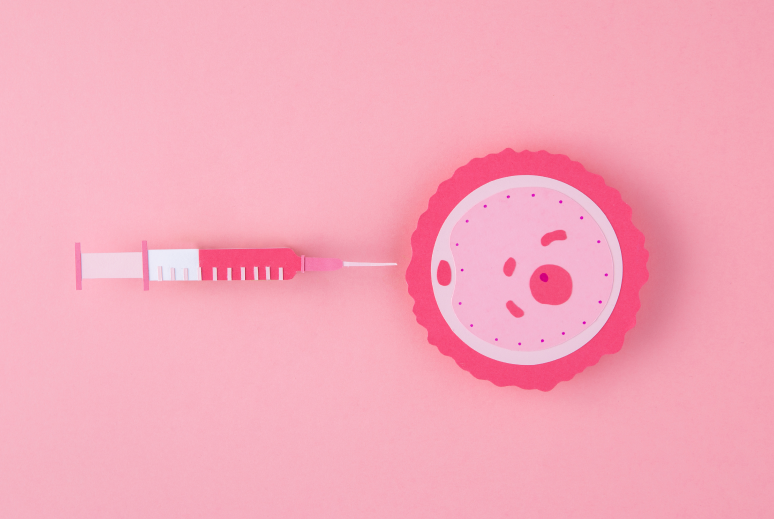
When is Intrauterine Insemination Recommended?
IUI is often recommended for couples experiencing:
- Unexplained Infertility: When standard fertility tests do not reveal a clear cause of infertility.
- Mild Male Factor Infertility: Low sperm count, poor motility, or abnormal sperm shape can be addressed with IUI.
- Cervical Factor Infertility: Cervical mucus abnormalities that hinder sperm movement can be bypassed with direct insemination.
- Ovulatory Disorders: Women with irregular or absent ovulation due to PCOS or hormonal imbalances may benefit from IUI combined with ovulation induction.
- Mild Endometriosis: IUI can help improve the chances of conception for women with mild endometriosis.
- Donor Sperm Usage: IUI is commonly used with donor sperm in cases of severe male infertility or single-parent family planning.
How is IUI Performed?
IUI is a simple and quick outpatient procedure. The key steps include:
- Ovulation Monitoring: The process begins with tracking the woman’s ovulation using ultrasound scans or ovulation predictor kits. Ovulation may also be induced with medications like Clomiphene or Letrozole.
- Sperm Preparation:
- The semen sample (from the partner or donor) is washed and processed in the laboratory to remove impurities, non-motile sperm, and seminal fluid.
- This process increases the concentration of healthy, active sperm for insemination.
- Insemination Procedure:
- Using a thin, flexible catheter, the prepared sperm is placed directly into the uterus during the ovulatory window.
- The procedure takes only a few minutes and is typically painless.
- Post-Procedure Monitoring: After the insemination, patients are advised to rest briefly. A pregnancy test is performed 10-14 days later to confirm success.
Benefits of Intrauterine Insemination (IUI)
IUI is a widely chosen fertility treatment due to its simplicity and effectiveness. Key benefits include:
- Minimally Invasive: IUI is a quick, non-surgical procedure with minimal discomfort.
- Increased Success Rates: By bypassing cervical barriers and placing sperm closer to the egg, IUI enhances fertilization chances.
- Cost-Effective: Compared to advanced treatments like IVF, IUI is a more affordable fertility option.
- Optimised Sperm Quality: The sperm washing process ensures that only high-quality, motile sperm are used for insemination.
- Flexible Treatment: IUI can be performed in natural cycles or combined with ovulation-inducing medications to boost success rates.
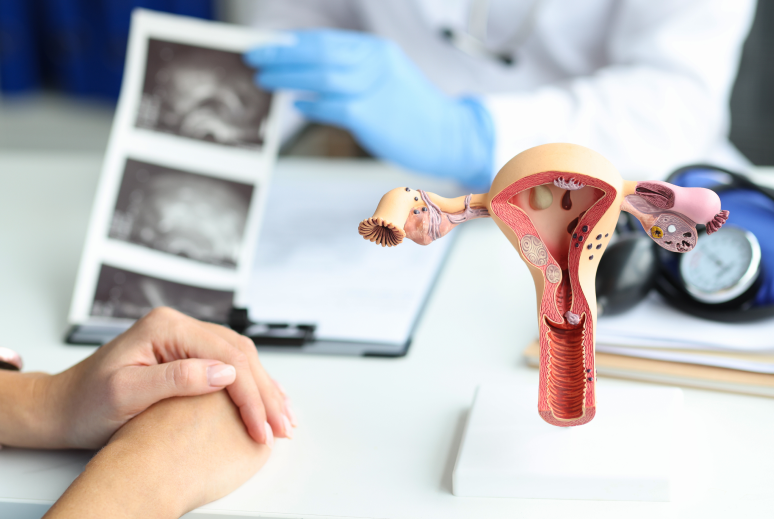
Symptoms of Infertility Addressed by IUI
- Difficulty conceiving despite regular unprotected intercourse.
- Irregular menstrual cycles or anovulation.
- Issues related to cervical mucus hindering sperm movement.
- Low sperm count, poor motility, or abnormal sperm morphology.
- Mild endometriosis causing reduced fertility.
Complications of Untreated Infertility
- Chronic Stress and Emotional Strain: Long-term struggles with infertility can cause anxiety, depression, and relationship issues.
- Reduced Fertility Potential: Delaying treatment may reduce the success rate as age progresses, particularly for women over 35.
- Hormonal Imbalances: Ovulatory disorders left untreated may worsen over time, impacting overall reproductive health.
When is Intrauterine Insemination Recommended?
IUI is often recommended for couples experiencing:
- Unexplained Infertility: When standard fertility tests do not reveal a clear cause of infertility.
- Mild Male Factor Infertility: Low sperm count, poor motility, or abnormal sperm shape can be addressed with IUI.
- Cervical Factor Infertility: Cervical mucus abnormalities that hinder sperm movement can be bypassed with direct insemination.
- Ovulatory Disorders: Women with irregular or absent ovulation due to PCOS or hormonal imbalances may benefit from IUI combined with ovulation induction.
- Mild Endometriosis: IUI can help improve the chances of conception for women with mild endometriosis.
- Donor Sperm Usage: IUI is commonly used with donor sperm in cases of severe male infertility or single-parent family planning.
Why Choose Us?
At Dr. Kamaraj Hospital Pvt. Ltd. and Aakash Fertility Centre, we specialise in fertility treatments like IUI, offering comprehensive care in a patient-focused environment. Here’s why we stand out:
- Expert Fertility Specialists: Our experienced team ensures precise ovulation tracking and sperm preparation for optimal results.
- State-of-the-Art Facilities: Advanced laboratories and equipment enhance the accuracy and success of IUI treatments.
- Personalized Treatment Plans: Each IUI cycle is tailored to the patient’s unique needs and infertility challenges.
- Affordable and Accessible: We provide high-quality fertility care at an affordable cost, making IUI a practical option for many couples.

Need more information?
Take the next step toward parenthood with Intrauterine Insemination (IUI)
FAQs
What is IUI, and how does it work?
Who is a good candidate for IUI?
What are the success rates of IUI?
Is IUI painful?
How many IUI cycles are recommended?
Meet Our Doctor
Dr. T. Kamaraj
Sexologist & Male Infertility Specialist
Dr. J. S. Jeyarani Kamaraj
Infertility Specialist